Health Freedom, Healthy Food, Peace: Four Real Races in a Three-Seat House — and the Blind Spots Everywhere Else
Republicans hold the House 220–215. A net loss of 3 seats flips control. This page tracks three issues: health freedom (COVID-era accountability), healthy food (pesticide-industry accountability), and peace (ending the Iran war). Each claim below is checked against a real vote or a real dollar, not reputation. The goal is simple: show where focused attention could actually matter, and flag the blind spots that would waste it. This is nonpartisan documentation. It reports the money and the votes. It doesn't pick a side.
Everything on this page points here.
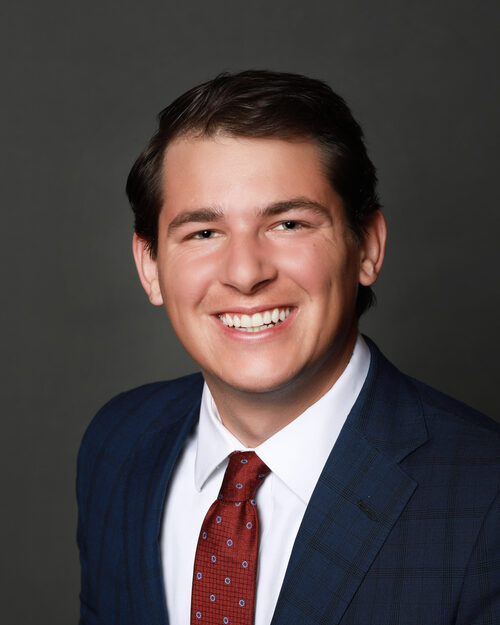
Four races. A three-seat margin. Win these, and health freedom, healthy food, and peace all keep a real voice in Congress. Lose them, and that voice goes quiet — regardless of which party ends up running the House.
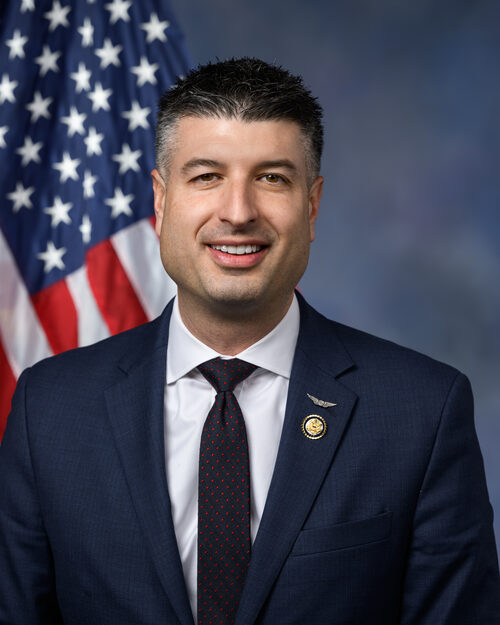

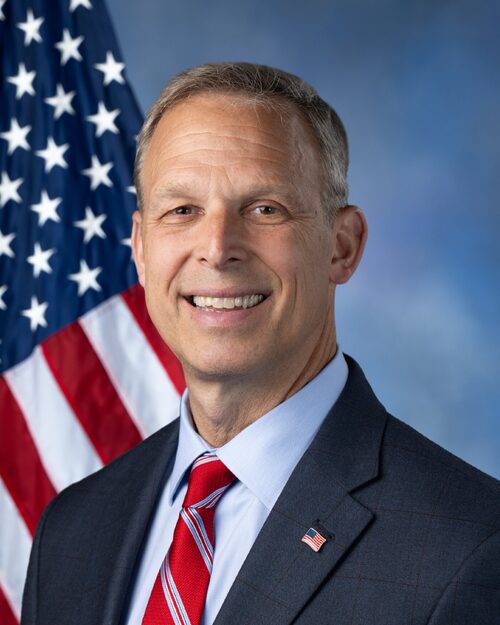
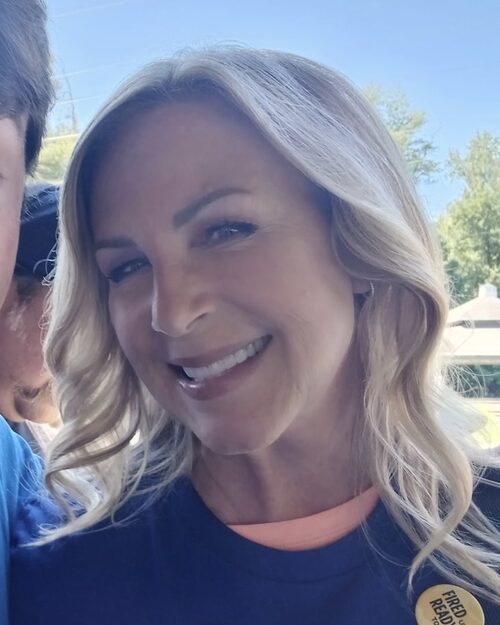
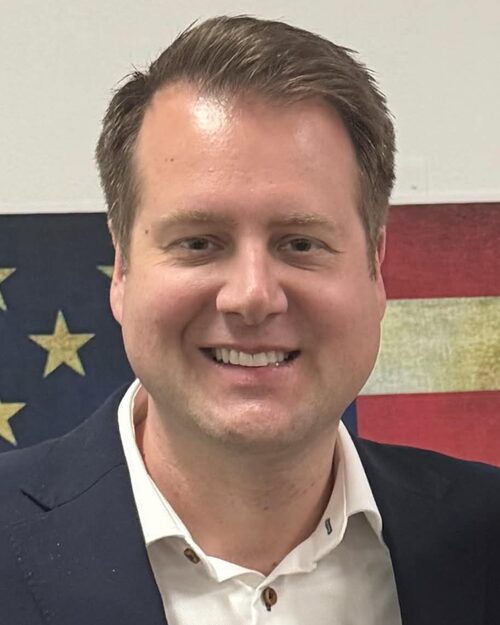


What you can do right now
Where the pressure actually is, across every tracked race
Three tiers, built from the rankings already on this page, not a new judgment: red is the four decisive races that carry a pillar and a real toss-up at once; orange is the next tier of races already flagged above as worth watching; amber is every other tracked toss-up — a real seat, but a longer shot for a darkhorse shift. This shows the state each race sits in, not the exact district boundary; state boundaries are the most precise geography a page like this should claim without district-level map data.
Beyond the four above: real toss-ups, ranked by why each one matters
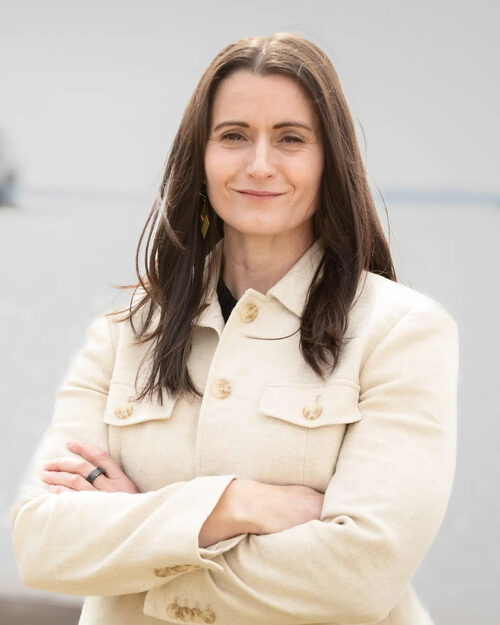
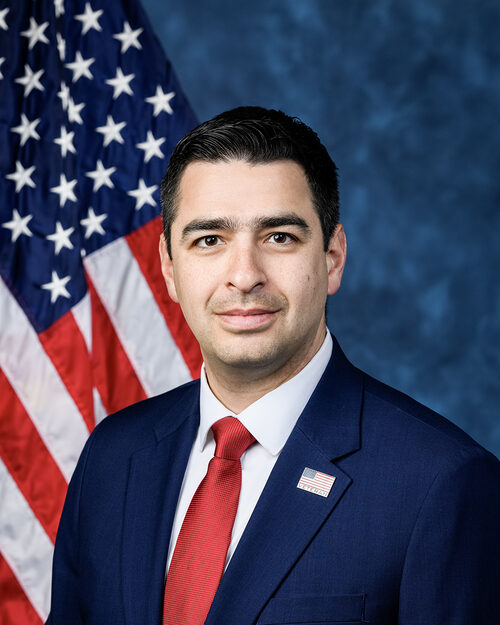
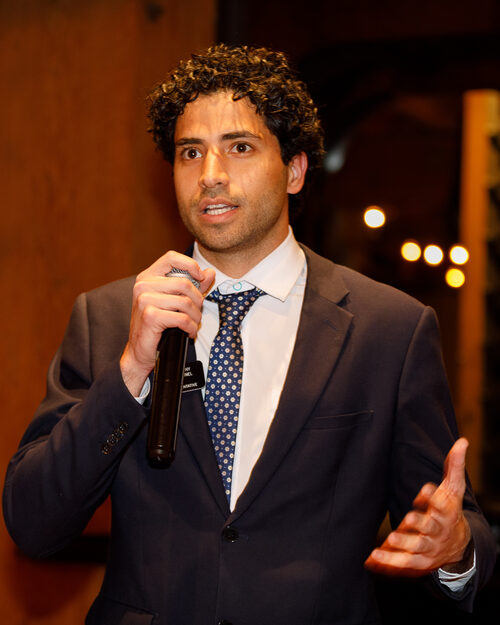
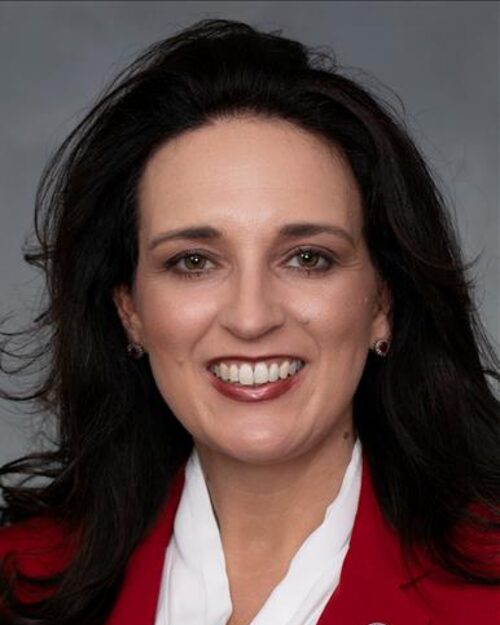
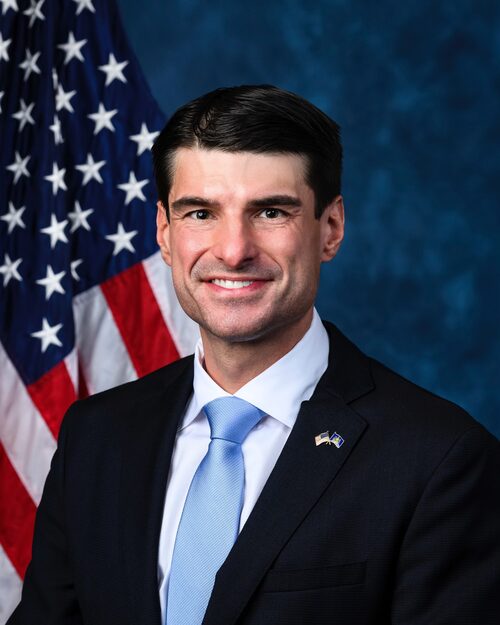
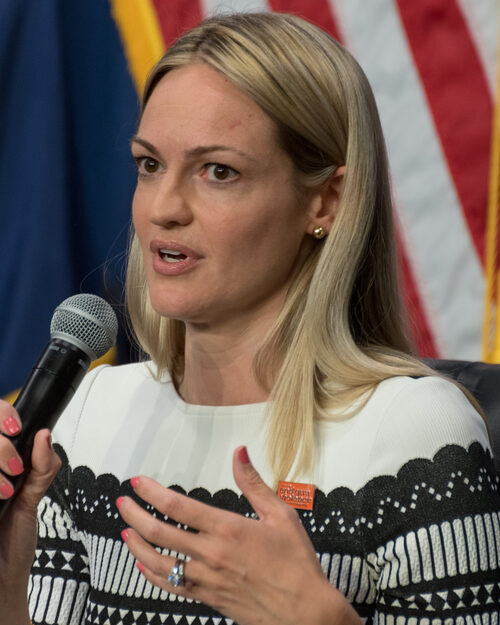
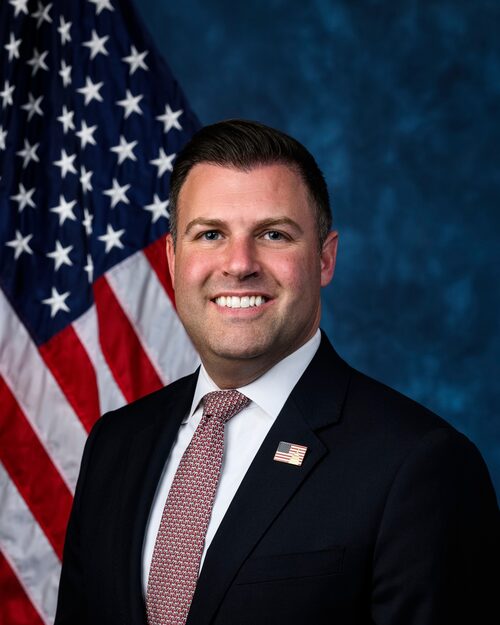
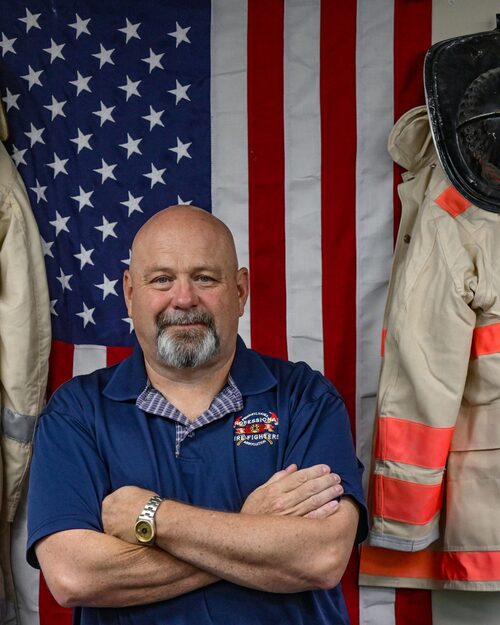
The hero section above already makes the top call: Barrett, Perry, Merrin, and Mitchell are the four races where a proven record meets a real toss-up. These six are the next layer down — genuine toss-ups that matter for majority math, each with its own real money or accountability story, even without a confirmed personal fit on the three pillars this page tracks.

Where focused effort could actually matter, and where it could be wasted
The House margin is razor-thin: Republicans hold it 220–215, so a net loss of just 3 seats flips control. Barrett, Perry, and Merrin are three genuine Republican-held-or-contested toss-ups; if a Democratic-favoring environment costs those three seats alone, that flips the House. Holding them is disproportionately important given how thin the margin is — but five real blind spots could waste that effort on the wrong target.
The blind spots to watch for
Fallback positions — who to want re-elected even if the whole House is lost
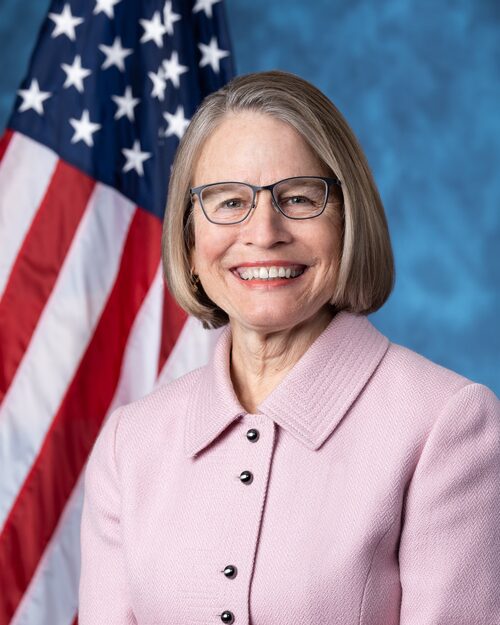
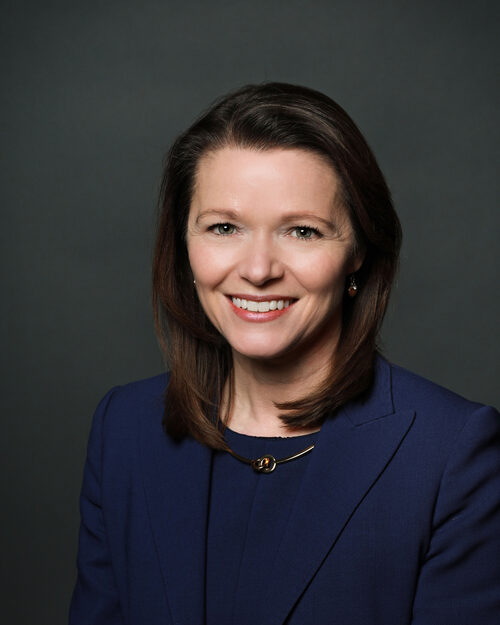
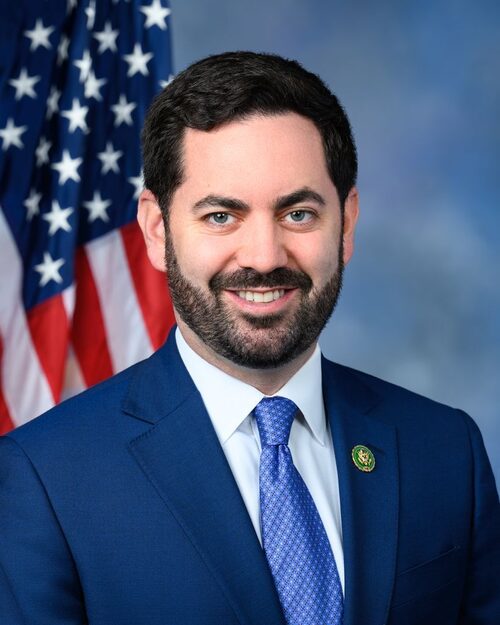
A different question from the ranking above: which individuals matter regardless of which party ends up controlling the chamber. The answer is the same two names from the red tier — Barrett and Gluesenkamp Perez — plus Perry as a narrower, COVID-accountability-specific pick. Three more people aren't on any competitive list at all, because their seats are safe, but their continued presence is worth naming as part of what's actually being protected this cycle:
The starting map: where the margin is actually thin enough to matter
This is the baseline every later section narrows down from. Cook Political Report, Sabato's Crystal Ball, and Inside Elections all publish independent race-by-race ratings; none publishes a numeric win-probability model — only discrete categories (Toss-up, Lean, Likely, Solid). All three have moved in the same direction — toward Democrats — more or less continuously since spring 2026, which matters directly for where focus pays off: a race trending away from you needs defending more urgently than one trending your way.
The gold-bordered cards are the ones worth reading carefully rather than skimming past, because they change where energy is actually needed: NC-11 and OH-09 are both genuine, real disagreements between the outlets, not data errors — Cook rates OH-09 more competitive than Sabato or Inside Elections do, the reverse of NC-11's pattern, meaning neither race should be written off or assumed safe on one outlet's word alone. And IA-01's move to Leans Democratic is the single freshest change in this whole set, independently confirmed within the last day of this page being built — a race that just got harder to hold, not easier.
How close these races actually were in 2024 — the real heat map
Ratings categories (Toss-up, Lean, etc.) group races into buckets; actual vote margins show exactly how thin the ice is underneath each one. Sorted tightest to widest, colored by how close the 2024 result actually was — the darker the tile, the smaller the margin, the more a small shift in turnout or persuasion could change the outcome.
All 2024 results here are for the district as it existed in 2024 — most of these lines are unchanged for 2026, but OH-09 was redrawn afterward to favor Republicans by about 4 points, so Kaptur's 2024 margin of 0.64% understates how much tighter (for her) the 2026 rematch against Merrin actually is on the new map. NY-04's exact 2024 margin has conflicting reports (roughly 1,000 to 6,000 votes depending on the source) and is shown here at the midpoint of that range.
The four races where a MAHA endorsement could actually help win the House
MAHA's name stands for the health-freedom and healthy-food pillars this page tracks, backed by two organizations: MAHA PAC, a political committee, and MAHA Action, a larger advocacy organization. Between them they've endorsed candidates for dozens of offices nationwide — but with a House this close, what matters is which of those endorsements sit in a race actually competitive enough to move control of the chamber. Four do. Here's each one, and the specific reason an endorsement could matter there.
| Race | Why the endorsement could matter here |
|---|---|
| Tom Barrett (MI-07, R) | The strongest fit of any candidate on this page: a real, on-the-record vote to end the Iran war, a real vote to strip the pesticide-industry liability shield, and the MAHA endorsement on top of both. A toss-up race — the endorsement reinforces a record voters can already check for themselves, which is the version of an endorsement that actually persuades. |
| Scott Perry (PA-10, R) | A genuine institutional voice on COVID-era accountability, in Pennsylvania's most expensive House race this cycle. The endorsement helps here specifically on the health-freedom message — his record doesn't extend to the peace pillar, so that's the case to make, not a broader one. |
| Derek Merrin (OH-09, R) | Challenging a 22-term incumbent in a district just redrawn to favor Republicans. He has no federal voting record yet, so the endorsement is doing real work here — it's the clearest signal available to health-freedom and healthy-food voters before he has a vote history of his own. |
| Joe Mitchell (IA-02, R) | An open seat with no incumbent at all. Same logic as Merrin's race: with no vote history to check yet, an early, credible endorsement is one of the few tools available to define the race before it's decided by other factors. |
Anna Paulina Luna (FL-13) deserves a separate mention even though her own seat is safe: she's the one who sponsored the pesticide-liability amendment covered below, so her MAHA endorsement is already backed by a concrete legislative result, not just a position.
Health freedom: separating a real record from a reputation
This is the health-freedom pillar — COVID-19 institutional accountability. The point of this section is to tell apart members who have actually cast a checkable vote on these issues from members who merely have a reputation for it. The clearest differentiating vote on this subject is from the prior Congress, not the current one — reported here in full because it's real, primary-sourced, and shows genuine daylight between members, which is exactly what a reputation alone can't show.
H.J.Res.7 — ending the COVID-19 national emergency, Feb 1, 2023
Passed 229–197. All 218 voting Republicans supported it; 11 Democrats broke from their party to join them. Members not yet in Congress at the time are marked accordingly rather than left blank. Full bill text and history on Congress.gov.
| Member (district, party) | Vote | Note |
|---|---|---|
| David Schweikert (AZ-01, R) | YEA | — |
| Juan Ciscomani (AZ-06, R) | YEA | — |
| Mariannette Miller-Meeks (IA-01, R) | YEA | — |
| Bill Huizenga (MI-04, R) | YEA | — |
| Mike Lawler (NY-17, R) | YEA | — |
| Scott Perry (PA-10, R) KEY RACE | YEA | — |
| Don Davis (NC-01, D) | YEA | Crossed party lines |
| Kathy Castor (FL-14, D) | NAY | — |
| Marcy Kaptur (OH-09, D) KEY RACE | NAY | — |
| Emilia Sykes (OH-13, D) | NAY | — |
| Gabe Vasquez (NM-02, D) | NAY | — |
| Vicente Gonzalez (TX-34, D) | NAY | — |
| Marie Gluesenkamp Perez (WA-03, D) | ? | Serving at the time; vote not confirmable in the record checked |
Seven tracked members (Evans, Gillen, Mackenzie, Bresnahan, Gray, Tran, Barrett) weren't yet in Congress in Feb 2023 — correctly excluded, not counted as "no" votes. Rows marked KEY RACE are the members in one of the four races this page tracks.
A second, related vote the same week shows the crossover doesn't run deep: H.R.382, the "Pandemic is Over Act" (Jan 31, 2023), targeted the separate Public Health Emergency declaration specifically and passed 220–210 on a strict party-line vote — Don Davis voted Nay with his party on this one, meaning his bipartisan vote on the national-emergency question didn't extend to the public-health-emergency question. It never passed the Senate and never became law.
H.R.185 — ending the CDC's vaccine-proof requirement for foreign travelers, Feb 8, 2023
Passed 227–197. A narrower, distinct vaccine-mandate vote — not a restatement of the emergency-powers votes above, since this targets one specific CDC policy rather than a broad emergency declaration. All 220 voting Republicans supported it; 7 Democrats crossed over.
| Member (district, party) | Vote | Note |
|---|---|---|
| David Schweikert (AZ-01, R) | YEA | — |
| Juan Ciscomani (AZ-06, R) | YEA | — |
| Mariannette Miller-Meeks (IA-01, R) | YEA | — |
| Bill Huizenga (MI-04, R) | YEA | — |
| Mike Lawler (NY-17, R) | YEA | — |
| Scott Perry (PA-10, R) KEY RACE | YEA | — |
| Chuck Edwards (NC-11, R) | YEA | — |
| Don Davis (NC-01, D) | YEA | Crossed party lines again — consistent with his H.J.Res.7 vote |
| Jared Golden (ME-02, D) | NAY | Crossed on H.J.Res.7, didn't cross here — his bipartisan record doesn't hold across every COVID vote |
| Kathy Castor (FL-14, D) | NAY | — |
| Marcy Kaptur (OH-09, D) KEY RACE | NAY | — |
| Emilia Sykes (OH-13, D) | NAY | — |
| Gabe Vasquez (NM-02, D) | NAY | — |
| Vicente Gonzalez (TX-34, D) | NAY | — |
A House committee (the Select Subcommittee on the Coronavirus Pandemic, chaired by Brad Wenstrup) produced a 520-page final report in December 2024 — but that report only ever received a committee markup vote, never a House floor vote, and the subcommittee was dissolved at the end of that Congress without being reconstituted.
Two other votes sometimes cited as "accountability votes" don't hold up on inspection: a 2023 vote to ban federal funding of gain-of-function research passed by voice vote (no member positions were ever recorded), and a 2023 vote ordering declassification of Wuhan Institute intelligence passed unanimously, 419–0 — before this Congress, and before it could distinguish anyone.
Healthy food: proof the cross-party model already works
This is the healthy-food pillar — pesticide-industry accountability — and the closest thing on this whole page to a demonstrated result, not a hoped-for one: a real bipartisan majority that actually stripped an industry protection, worth understanding in detail before looking anywhere else for where energy might work. Roll Call 148, H.R.7567 (the 2026 Farm Bill), April 30, 2026 — an amendment removing provisions that would have shielded pesticide manufacturers from state lawsuits and blocked local pesticide regulation near schools. Passed 280–142. The amendment carries Rep. Anna Paulina Luna's name on the floor, but multiple outlets describe it as mirroring language originally pushed by Reps. Chellie Pingree and Thomas Massie. Luna is herself a MAHA Action-endorsed member (safe FL-13 seat), a direct link between the endorsement picture above and this specific vote.
| Member (district, party) | Vote |
|---|---|
| Juan Ciscomani (AZ-06, R) | AYE |
| David Schweikert (AZ-01, R) | NO |
| Gabe Evans (CO-08, R) | NO |
| Kathy Castor (FL-14, D) | AYE |
| Mariannette Miller-Meeks (IA-01, R) | AYE |
| Bill Huizenga (MI-04, R) | AYE |
| Tom Barrett (MI-07, R) KEY RACE | AYE |
| Don Davis (NC-01, D) | NO |
| Chuck Edwards (NC-11, R) | NO |
| Gabe Vasquez (NM-02, D) | AYE |
| Laura Gillen (NY-04, D) | AYE |
| Mike Lawler (NY-17, R) | AYE |
| Marcy Kaptur (OH-09, D) KEY RACE | AYE |
| Emilia Sykes (OH-13, D) | AYE |
| Ryan Mackenzie (PA-07, R) | AYE |
| Rob Bresnahan (PA-08, R) | AYE |
| Scott Perry (PA-10, R) KEY RACE | AYE |
| Vicente Gonzalez (TX-34, D) | NO |
| Adam Gray (CA-13, D) | NO |
| Derek Tran (CA-45, D) | AYE |
| Marie Gluesenkamp Perez (WA-03, D) | AYE |
15 of 21 tracked members voted to strip the shield; 6 voted to keep it — evenly split, 3 Republicans and 3 Democrats. Tom Barrett (MI-07) — the same Republican who crossed party lines on the Iran war-powers vote below — also voted here to strip industry protections. That's a second, independent data point on the same person, which is exactly what turns "endorsed" into "proven."
Peace: the war-powers vote record, checked the same way
This is the peace pillar — ending the Iran war and the surveillance/civil-liberties questions that ride alongside it — applied as the same test across the whole tracked list, not just the two or three names already singled out above. The point is to see where else a real record exists, not assumed reputation. Primary-sourced from House Clerk roll calls RC85, RC114, RC199, RC221. Yea on the war-powers votes means voting to end/limit U.S. involvement in Iran; Yea on RC221 means voting for the FISA §702 extension. Colors mark position, not right/wrong.
| Member (district, party) | 3/5 (failed) | 4/16 (failed) | 6/3 (passed) | FISA 6/11 | Note |
|---|---|---|---|---|---|
| Miller-Meeks (IA-01, R) | NAY | NAY | NAY | YEA | Consistent NAY on war powers |
| Scott Perry (PA-10, R) KEY RACE | NAY | NAY | NAY | YEA | Consistent NAY — not a war-powers ally despite accountability record |
| Tom Barrett (MI-07, R) KEY RACE | NAY | NAY | YEA | YEA | Crossed on the vote that passed, joined Massie/Davidson/Fitzpatrick |
| Gluesenkamp Perez (WA-03, D) | YEA | YEA | YEA | YEA | Only Democrat here siding with GOP leadership on FISA |
| Jared Golden (ME-02, D) — not on 2026 ballot | NAY | NAY | YEA | YEA | Withdrew Nov 2025 — record now moot for this cycle |
| Gabe Vasquez (NM-02, D) | YEA | YEA | YEA | NAY | Mixed FISA record — Nay on 6/11, but Yea on the earlier extension that passed |
| Mike Lawler (NY-17, R) | NAY | NAY | NAY | N/V | Did not vote on FISA extension |
| Kathy Castor (FL-14, D) | YEA | YEA | YEA | NAY | — |
| Bill Huizenga (MI-04, R) | NAY | NAY | NAY | YEA | — |
| Don Davis (NC-01, D) | YEA | YEA | YEA | YEA | — |
| Marcy Kaptur (OH-09, D) KEY RACE | YEA | YEA | YEA | NAY | Opponent Derek Merrin is MAHA Action-endorsed — see the endorsement table above |
Showing 11 of 22 tracked battleground incumbents. Full vote records and sourcing available on request.
The single clearest blind spot: money that contradicts the framing
This is where "close race + Republican + physician" could be mistaken for "health freedom opportunity" — the data says otherwise. Verified directly against OpenSecrets' campaign-finance data, 23 Sept 2026 (Miller-Meeks, Barrett, Perry). Total "Health" sector money, individual vs. PAC contributions. Note the scale: Miller-Meeks's bar is drawn true-to-size against the other two, not on a separate axis — the difference is the finding.
Miller-Meeks's health-sector money is roughly 8x Barrett's and Perry's combined — a real, verified gap, not an estimate, and the single strongest reason not to treat her tossup race as a natural fit for this coalition's energy despite how close it is. A widely repeated claim that Perry took "$100,000 from drug and insurance industries" does not hold up against the actual data either: his entire health sector, not just pharma, totals under $85,000 — a second reminder that assumptions here need checking before they're acted on.
How much is already being spent to decide these races without us
A race with tens of millions already committed on both sides behaves differently than one that's still lightly contested — this is the context for judging where outside attention could actually shift something versus where the outcome is already being fought over at industrial scale. FEC-direct totals through mid-2026 filings, via api.open.fec.gov. Bars share one dollar scale (max $8.2M) so races are comparable at a glance.
* Partial-cycle figures (committee registered late, or only one quarter's data available) — not a full apples-to-apples comparison.